
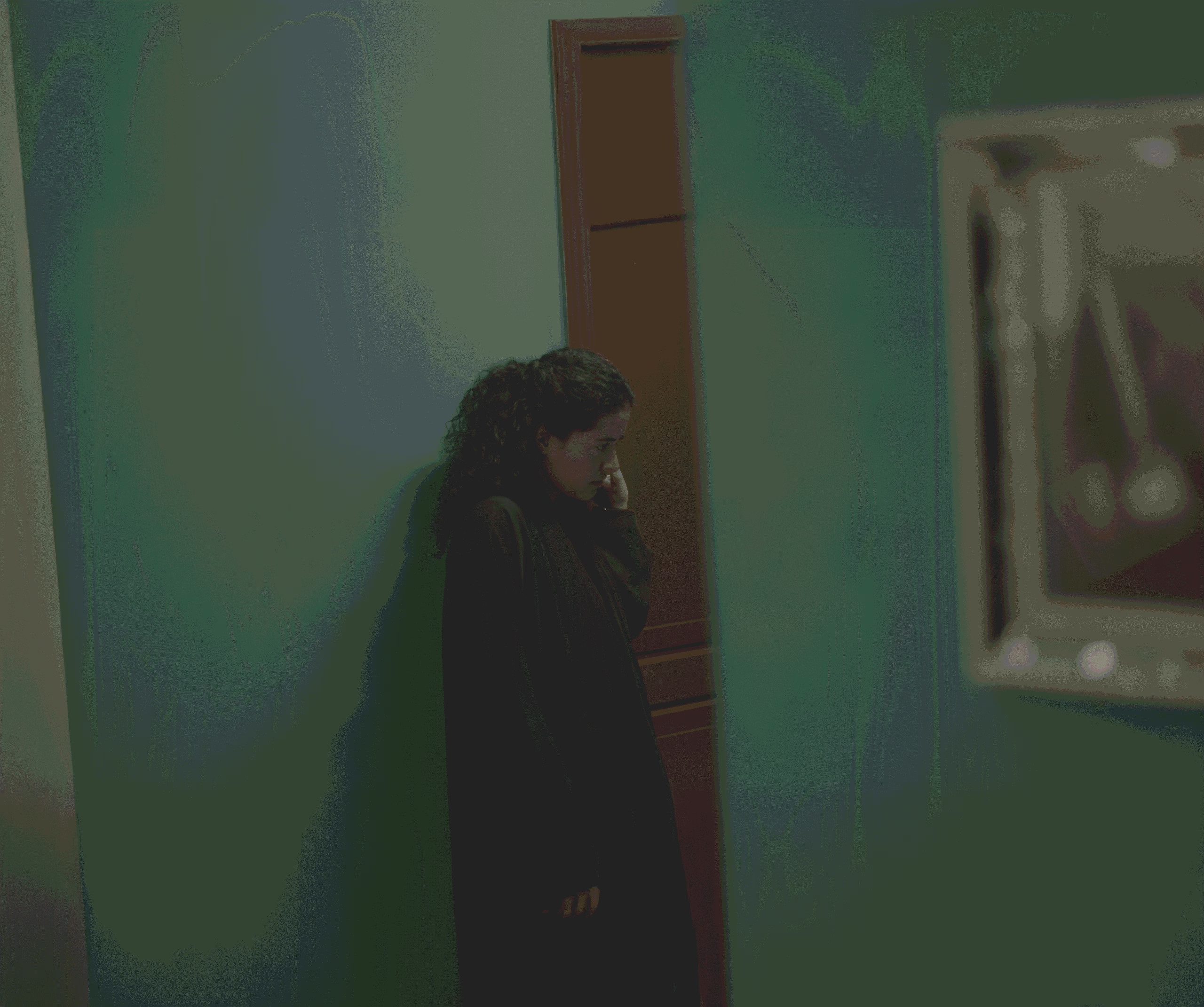
DHAHRAN: It was Ramadan 2025 when two seasoned Saudi storytellers from Jeddah — Sara Masry and Rulan Hasan — met for the first time. Masry, an actress and budding filmmaker, and Hasan, an established writer and director, connected instantly; bonding over shared traumas and exchanging ideas for potential collaborations for hours.
“It started as talking with a stranger, or someone who I didn’t really know before, and it ended like I was talking to myself,” Hasan tells Arab News. By the end of a long night sipping coffee, they had decided to make a film together.
The result is “Assutur,” a 16-minute short that the pair co-wrote and co-directed that feels like it could be ripped from the headlines from anywhere in the world, yet is specific enough to be a relatable Saudi story.
It follows a young woman (played by Masry) who is forced to face her demons at a family funeral: she needs to either speak of the trauma she endured as a young girl, or continue to suffer in silence forever.
“What the film talks about is interfamilial child sexual assault, and I think it’s a really important subject to discuss — not just the fact that it happens, but that it happens everywhere in the world — even here in Saudi Arabia,” Masry tells Arab News. “And then what happens is that the survivor feels the shame is projected onto them. They think they did something wrong, and the perpetrator, many times, doesn’t face an ounce of accountability.”
The story was one Masry had been thinking about writing for a long time, she says. “It talks about issues in society that we tend to ignore — all around the world — but which I feel like we need to be able to discuss in film.”
The film had its international premiere at the Saudi Film Festival in Dhahran this summer, securing a Jury Special Mention award, and has been selected for the Human Rights category of next month’s online Kaaffilm International Short Film Festival.
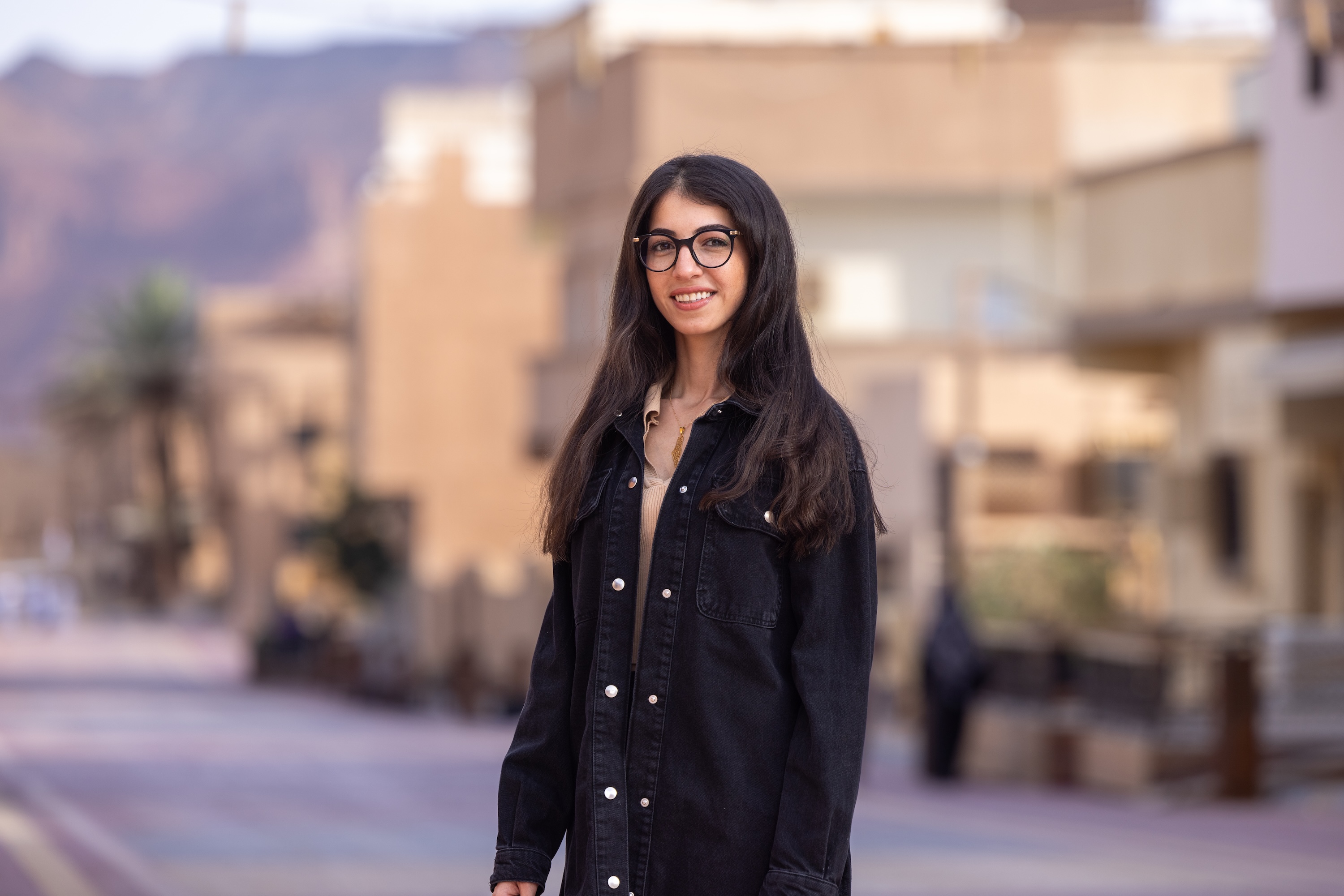
Both women were present at the SFF and could be seen interacting with the audience after their screenings, exchanging emotional reflections with women and men.
“The SFF is such a huge platform for people to come and watch films, and it’s one way, as a filmmaker, you can reshape the conversations that are happening in Saudi society, because a lot of the audience members are Saudi,” Masry says. “So many people came up to us. Actually, along every step of the process of making the film — the people involved, people who auditioned, makeup artists… many women came up to me. Not that it’s just something that happens to women.”
Often, people would say that they felt “seen,” she said, and would then share their secret shame that they had not dared utter out loud until the film gave them the courage to.
“That is art at its best,” Masry says. “Art can sometimes make it easier to bring up these subjects that, a lot of the time, are too taboo to talk about.”
For Hasan, watching the film on the big screen has been cathartic.
“One thing I noticed after both screenings (at the SFF) — and I took a video of that just to make sure — is that it took people a while to clap,” she says. “We all understand it’s a heavy topic. If you make an audience think and feel, it usually will take a little bit of a delay. And then they clapped and it felt really good, but the thing that I am most grateful for is the conversations that we had with people. They get it.”
“In many societies —conservative societies especially — for reasons of honor and shame, and pride, and marriage prospects, when a disclosure happens — from a victim or survivor — the main priority is to just shut it down and keep it quiet, sweep it under the rug,” Masry says.
“And in an Arab society, we have to put it under the rug and just move on from that,” Hasan chimes in.
“It’s a really big rug at this point,” Masry continues. “It’s a very dusty rug — if we don’t actually talk about it and find ways to address it.”
Now that the film is out, what would she say to her younger self?
“I would tell her that we got here,” Masry says, with misty eyes but a beaming smile. “‘You did it. And you did it with a team that collaborated with you. You’re changing the narrative — literally.’”
