
JERUSALEM: In East Jerusalem, Palestinians living under Israeli rule could not vote in Tuesday’s election. But across Israel, Palestinian citizens of the state turned out in record numbers, and their votes may now shape who governs the country.
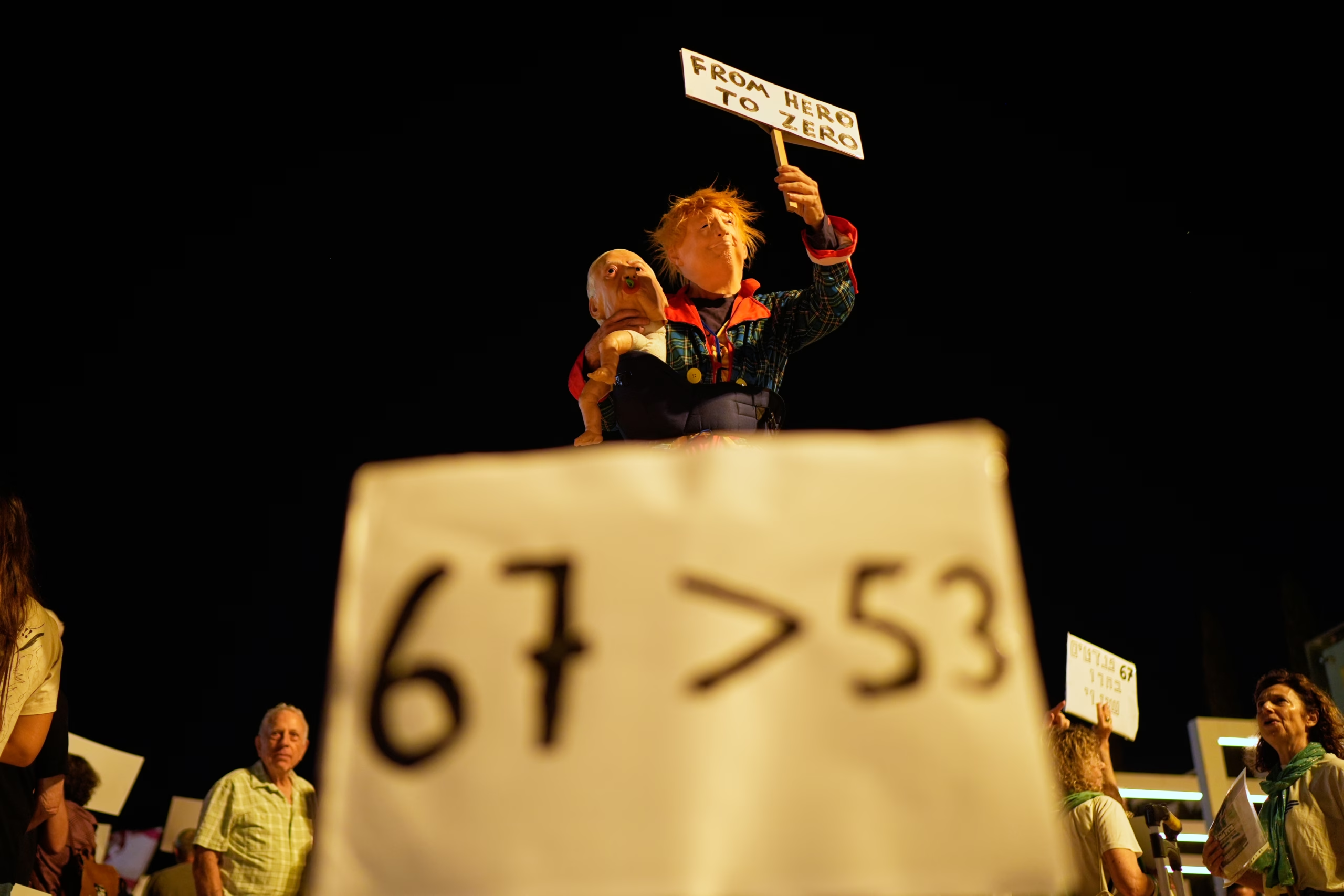
Political horse-trading was underway after a final tally confirmed that neither major bloc won enough seats to form a government, AP and Reuters reported. Prime Minister Benjamin Netanyahu’s bloc won 53 seats, the main opposition bloc led by Gadi Eisenkot won 48, and Arab-led parties secured an unprecedented 19. A government needs 61 seats in the 120-member Knesset.
The Joint List won 11 seats, while Ra’am, led by Mansour Abbas, secured eight. AP reported that nearly 840,000 people voted for the two lists, according to final results from the Central Elections Committee, a 64 percent increase on the last election in 2022.
Arab citizens make up about 21 percent of Israel’s population, according to AFP.
A test for the opposition
Before the vote, Abbas and Joint List leader Yousef Jabareen told AFP they were ready, under certain conditions, to cooperate with the opposition, particularly Eisenkot’s bloc.
After the results, Jabareen told AP he had not yet spoken to Eisenkot but was ready for talks. AP reported that both parties have expressed openness to anything that removes Netanyahu, including abstaining in a Knesset vote to lower the threshold Eisenkot would need to win. Abbas said he was confident Ra’am would join a government.
AP and Reuters noted that an Arab-led party has joined an Israeli government only once before, in 2021.
One scenario is a minority government led by Eisenkot, supported by Ra’am, with the Joint List playing a decisive role in the confidence vote.
But there is a major obstacle. Avigdor Lieberman, a key figure in Eisenkot’s bloc, refuses to rely on Arab parties.
Another option is for the ultra-Orthodox United Torah Judaism party to back Eisenkot. Netanyahu, meanwhile, could try to secure a majority by persuading a party from the opposing bloc to switch sides.
Fraud claims
AP reported that Netanyahu and his Likud party have amplified unsubstantiated allegations that Arab-led parties “stole” the election, potentially with foreign help. Netanyahu has suggested it would be treasonous for Eisenkot or others to join forces with them. The opposition accused Netanyahu of demonizing Arab citizens.
Hundreds of Israelis have held rallies urging Eisenkot to partner with the Arab-led parties, AP and Reuters reported.
What happens next
According to AP and Reuters, the results will be submitted to President Isaac Herzog on Wednesday, and he will then task a lawmaker with forming a government. The new Knesset will be sworn in on Nov. 10. Eisenkot’s bloc could join the Arab parties to elect a new speaker, giving them control of the parliamentary agenda.
“Now comes the hard part,” centrist politician Yair Lapid said, according to AP and Reuters.
If several attempts fail, Israel faces a new election next year, the agencies reported.
Arab voters have made history. The question now is whether their 19 seats will translate into real political power.
