

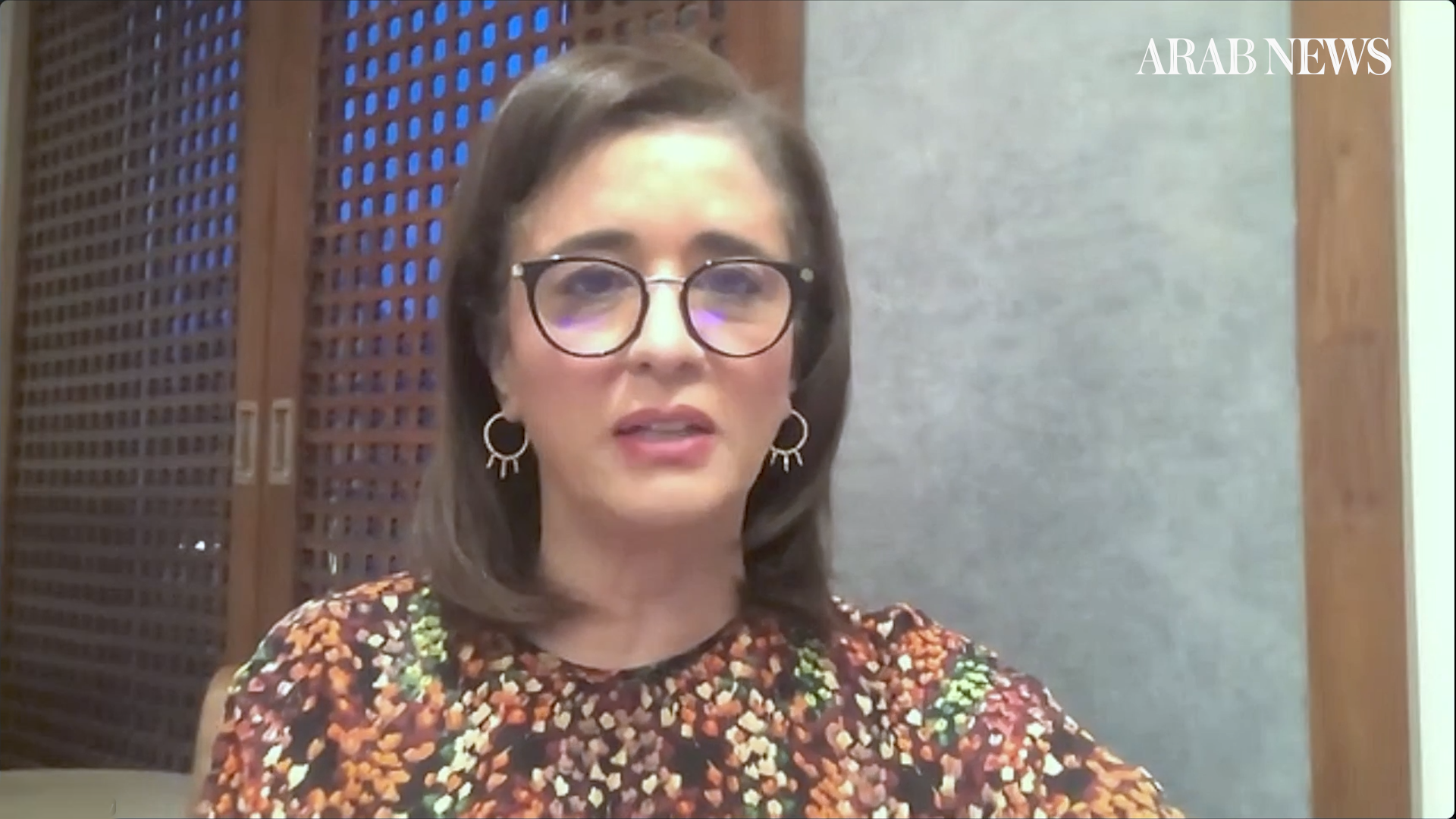
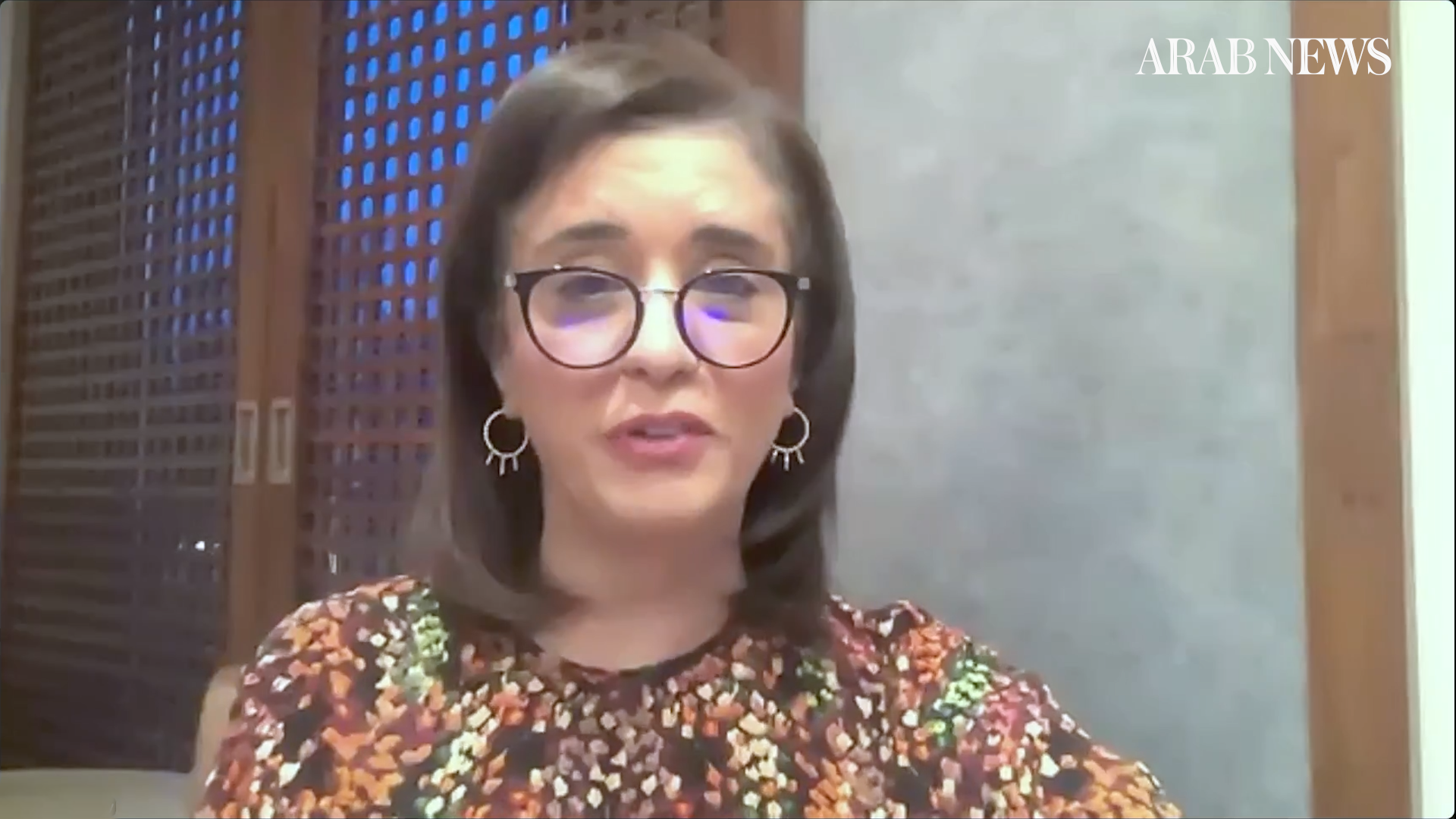
RIYADH: Dr. Hanan Balkhy, Saudi Arabia’s candidate to lead the World Health Organization, says she would serve “the whole world,” seeking to rebuild international cooperation, broaden funding and turn the agency’s scientific guidance into practical improvements in healthcare.
Appearing on “Frankly Speaking,” the Arab News current affairs program, Balkhy outlined plans to strengthen support for countries and improve results in hospitals and communities.
That would mean connecting its scientific expertise more closely to the realities of hospitals and health systems, restoring cooperation with the US, and helping countries sustain essential services as international funding declines.
“We need to build trust, we need to be driven by impact, and we need to provide value for the people that we serve on a daily basis,” she told “Frankly Speaking” host Katie Jensen. Balkhy is currently on leave from her position as WHO’s regional director for the Eastern Mediterranean.
Her promise of “a WHO the world can count on” does not mean the organization is no longer dependable, she said. The task is to ensure that it continues to earn confidence as a science-based, multilateral health organization.
Balkhy argued that her experience as a physician, scientist, and public health leader, both outside the WHO and at its headquarters and regional levels, had prepared her to address gaps between the agency’s guidance and its implementation.
Before joining the WHO, she had relied on its work as a clinician and scientist and led a collaborating center for a decade. Working inside the organization had deepened her admiration for its staff, while revealing the complexity of its operations.
Asked what reform would look like on the ground, Balkhy pointed to infection prevention and control guidelines she had helped develop. Producing standards was only part of the task: Health authorities also needed to put them to work in hospitals and communities.
“In order to actualize those core components and those guidelines, you need to understand how the hospitals work and how the communities interact with the health care authorities at the country level,” she said.
Her experience, she argued, would help connect headquarters, regional offices and operations within countries, making WHO’s advice more relevant and its implementation more effective.
Rebuilding international cooperation would be another priority, particularly relations with the US. Asked what it would take to persuade Washington to return after its withdrawal, Balkhy said the departure of any member weakened a global health community in which a problem in one country could affect many others.
She would seek to understand why a country had left and bring it back into discussions about what needed to change.
“We can always discuss things. We can always come back and understand where did things go wrong and how can they be rectified,” she said.
For the WHO, she said, the US departure had cost more than money. The organization also stood to lose the expertise and diplomatic strength that countries brought to collective health efforts.
“It’s not just about the financial support that the US had provided, but the amazing experts that they have,” she said.
Balkhy wants those specialists back at the table, working with the WHO on shared health priorities.
Funding nevertheless remains a pressing concern, both for the WHO and for national health services dependent on international assistance.
Balkhy said the US withdrawal, alongside wider discussions about reorganizing the UN system, gave the WHO an opportunity to clarify its core mandate, rethink its relationship with other agencies and determine how to operate with its current budget.
Alongside that review, she would pursue more diverse sources of support, including Islamic health financing, endowments and stronger partnerships between the public and private sectors.
The aim would extend beyond funding the WHO itself to helping countries sustain health systems that had relied on official development assistance.
She warned that sudden reductions in support could undermine disease control, making it necessary to strengthen cooperation among countries and find new ways to sustain essential work.
Balkhy pointed to African countries’ emphasis on greater independence in health as an example of the direction such efforts could take. As director-general, she said, she would support regional and subregional bodies in developing and managing their own solutions.
The importance of international health cooperation was particularly clear in conflict zones. Balkhy lauded WHO’s work in Gaza, arguing that emergency health operations protected people caught in fighting while also reducing risks far beyond the conflict.
“But what the outside world does not also understand quite well is that we’re also protecting the rest of the world from the ripple effect of disease transmission,” she said.
Conflicts in Gaza, Sudan, and elsewhere damaged infrastructure and created conditions in which infections could spread, she said. The WHO and its partners worked to strengthen surveillance, detect disease transmission and keep children’s immunizations on track.
Those efforts served an immediate humanitarian purpose while helping prevent infections from spreading to other populations. For Balkhy, that made health care in conflict zones a shared international concern.
But WHO’s ability to respond in Gaza and other conflict zones had limits when health facilities were attacked or aid was blocked. Balkhy said the organization documented attacks, called for compliance with international law and supplied information that other UN bodies could use.
“The WHO is not the body that actually can put an end to certain conflicts,” she said.
In Syria, the task extended to rebuilding a health system. Balkhy said the WHO was working with the health ministry and other authorities on a national health plan, the rehabilitation of facilities and the institutions needed to support recovery.
That included helping establish a national regulatory authority, supporting medical licensing and education, and developing partnerships with countries within and beyond the region.
She described the ministry’s leadership as aware of the challenges and clear about its plans, while emphasizing that recovery would take time.
“But our work in Syria has a long way to go,” she said.
Restoring the health workforce would be central to that effort. Balkhy sees opportunities for Syrian doctors abroad to return and help rebuild capacity.
“There’s a lot of physicians that are coming back, and they’re relicensing them and looking into rebuilding that capacity,” she said.
Trust is equally important in preparing for future outbreaks. Balkhy says stigma and fear of the international reaction could discourage governments from reporting infections promptly and make cooperation more difficult.
Drawing on her experience managing outbreaks, she argued that countries should be able to announce them without shame, allowing health authorities to concentrate on containing disease.
“Once we take away the worry about the reporting process, we can be more mindful and focused on mitigating and what we would call it breaking the chain of transmission,” she said.
Outbreaks will continue to occur, she says. The task is to shorten the period of transmission and reduce the number of people affected, with preparation and early action taking precedence over blame.
Asked whether she would publicly challenge a powerful country if it withheld crucial outbreak data, even at the risk of losing its cooperation, Balkhy emphasized understanding why governments hesitated to communicate, including concerns about how other countries would respond to an outbreak announcement.
She acknowledges that politics will continue to complicate disclosure. Rather than explicitly committing to public criticism, she highlights communication with member states about what needs to be done as soon as a problem emerges.
Balkhy also drew on her work in Geneva leading global efforts against antimicrobial resistance, where she said her team had strengthened national action plans and the tools to implement them. Translating those plans into results required the WHO and its partners to work across ministries, bringing human health, agriculture, and environmental concerns into a coordinated response.
She advocates national committees bringing together different sectors, backed by sustained technical assistance and leadership within countries. “It’s not an easy task again, it requires continuous, strong technical support at the country level and the leadership on the ground to make things actually happen,” she said.

Asked what lessons less wealthy countries could learn from Saudi Arabia’s healthcare reforms, Balkhy highlighted digital care and prevention as practical ways to improve access and reduce pressure on health systems.
Virtual hospitals and other remote services could reach communities that struggled to access conventional care, she said. Greater cooperation among member states could help make those approaches more widely available.
Even wealthy countries needed to focus on preventing illness as well as treating it. Balkhy pointed to diabetes, hypertension, and obesity as challenges affecting populations across income levels.
WHO’s work on healthier cities, communities, and universities aimed to encourage changes such as smoking less, walking more, and sleeping better.
“So, definitely prevention is much cheaper than treatment,” she said.
Asked what measurable result she would promise in her first year as director-general, Balkhy said she wanted member states to report a clear improvement in the WHO’s performance, technical expertise and support. She did not set a numerical target.
Instead, she returned to the ambition at the heart of her campaign: a WHO “built on trust, driven by impact and measured by the value that we provide for the people that we serve.”
