
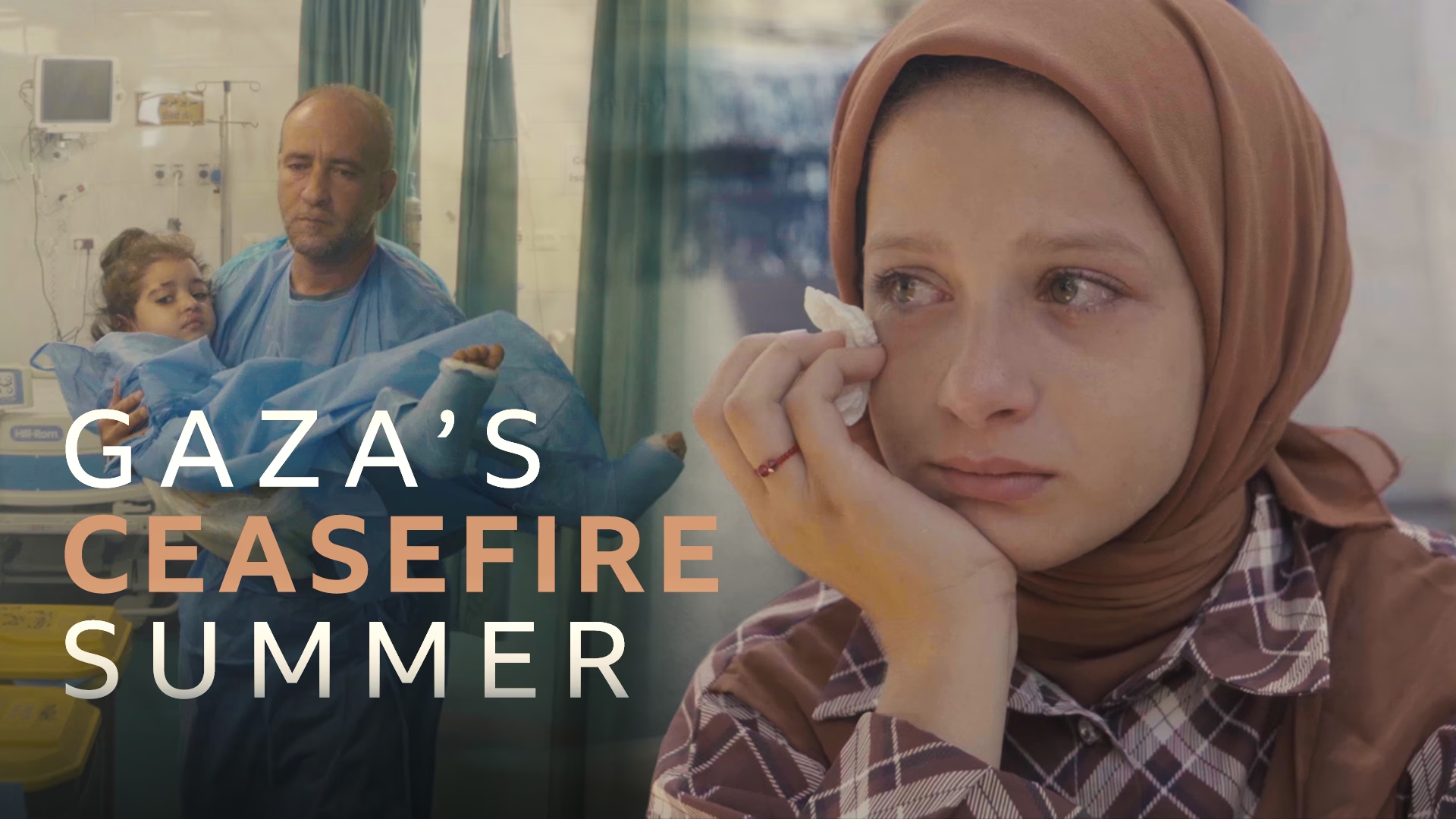
LONDON: The BBC on Wednesday released a new documentary about life in Gaza, following controversies over the broadcaster’s handling of previous films about the conflict and the situation in the enclave.
The new BBC Eye film, “Gaza’s Ceasefire Summer,” produced for the BBC World Service with the Arabic Forensic team, examines how families in Gaza are trying to survive amid widespread destruction and repeated disruption to the infrastructure on which they depend.
The documentary follows families and health workers as they deal with shortages of essential supplies, medical equipment and services, including limited access to medicines.
Gaza has been under a ceasefire since October 2025, but violence has continued.
More than 1,421 Palestinians have been killed since the truce began, according to Gaza’s Hamas-run Health Ministry. Israel disputes the ministry’s figures.
The film features six-year-old Raseel Al-Balawi, who has undergone more than 20 operations to clean and treat wounds she sustained in what witnesses said was an Israeli helicopter strike on her tent in the Al-Mawasi camp.
The strike killed her nine-year-old sister, Rateel.
The documentary says antibiotics available in Gaza have not been effective in treating Raseel.
Researchers in Gaza told the BBC that a new 10-year study had found “widespread” resistance to key antibiotics.
Israel’s military told the BBC that it “regrets any harm to civilians” and works to minimize it “to the greatest extent possible.”
Israeli authorities say they do not restrict the entry of medicines and that the population’s water needs are being met.
The documentary also examines the breakdown of infrastructure, including damaged sewage systems that have contributed to poor sanitation.
It looks at the effects on education and the mental health and well-being of people trying to cope with the loss of normality and the pressures of daily survival.
The film comes after criticism of the BBC’s handling of earlier Gaza documentaries.
In July 2025, an internal BBC review found that “Gaza: How to Survive a Warzone” breached the broadcaster’s editorial guidelines on accuracy by failing to disclose that its 13-year-old narrator was the son of a senior official in the Hamas-run government in Gaza.
The review said the independent production company, Hoyo Films, bore most of the responsibility for failing to disclose the information, but also criticized the BBC for not being sufficiently proactive in its editorial checks.
It found no breach of the BBC’s impartiality guidelines and no evidence that outside interests had inappropriately influenced the program.
The BBC subsequently declined to broadcast “Gaza: Doctors Under Attack,” a documentary it had commissioned about the dangers facing health workers in Gaza.
The broadcaster cited concerns that the film could create a perception of partiality.
Channel 4 later broadcast the documentary, which won the current affairs prize at the 2026 BAFTA Television Awards.
During the acceptance speech, the film’s producers criticized the BBC for what they described as an attempt to “silence and censor” the project.
The release of Gaza’s Ceasefire Summer also comes amid wider scrutiny of the BBC’s coverage of the conflict.
In late 2025, a leaked dossier written by a former member of the BBC’s editorial standards committee alleged deep-seated bias in the corporation’s factual reporting on Gaza.
The BBC has rejected accusations of systematic bias and says its coverage is subject to editorial standards and review.
